

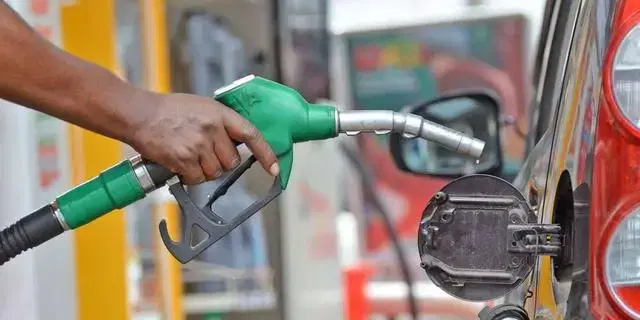
The pump price of petrol in Nigeria is moving closer to N1,500 per litre after major marketers raised their prices across the country, even as international crude oil prices recorded a decline.
In Lagos and surrounding areas, MRS reportedly increased its petrol price from N1,205 to N1,310 per litre.
Other marketers also adjusted their prices upward, with petrol reportedly selling between N1,315 and above N1,400 per litre, depending on the location and filling station.
The latest increase is coming despite a decline in international crude oil prices. Brent crude was reported at about $88.10 per barrel, while West Texas Intermediate (WTI) stood at approximately $83.40 per barrel.
Domestic depot prices have also remained high. Data monitored on Friday, August 28, 2026, showed PMS prices reaching N1,217 per litre in Warri, while Port Harcourt recorded N1,214, Calabar N1,204 and Lagos N1,202 per litre.
Warri recorded some of the highest depot prices, with Matrix selling at N1,217 per litre, while Liquid Bulk, Sigmund and T.S.L were around N1,215. Masters sold at N1,210 per litre.
In Lagos, Aiteo and Dangote depots were listed at approximately N1,200 per litre.
Analysts say the movement of petrol prices in Nigeria is increasingly influenced by domestic market conditions rather than crude oil prices alone.
Factors such as refining costs, product availability, exchange rates, transportation, marine logistics, storage charges, financing costs, taxes and supplier competition can all affect the final pump price.
Although crude oil remains a major component of petroleum pricing, changes in international crude prices do not necessarily translate immediately or proportionately into petrol prices at Nigerian filling stations.
The growing contribution of locally refined petroleum products is also changing the dynamics of the downstream market as domestic refiners compete with imported products.
The continued rise in petrol prices could place additional pressure on motorists and businesses, with possible consequences for transport fares, logistics, food distribution and inflation.
However, increased competition among domestic refiners and fuel suppliers could help moderate prices if more products become available and marketers have alternative sources of supply.
For consumers, the latest development highlights the importance of monitoring both depot prices and pump prices, as the relationship between international crude prices and the cost of petrol in Nigeria becomes increasingly complex.
With several marketers already selling above N1,300 per litre, motorists may face further increases if domestic supply, logistics and other operating costs remain elevated.